What does phytotherapy mean?
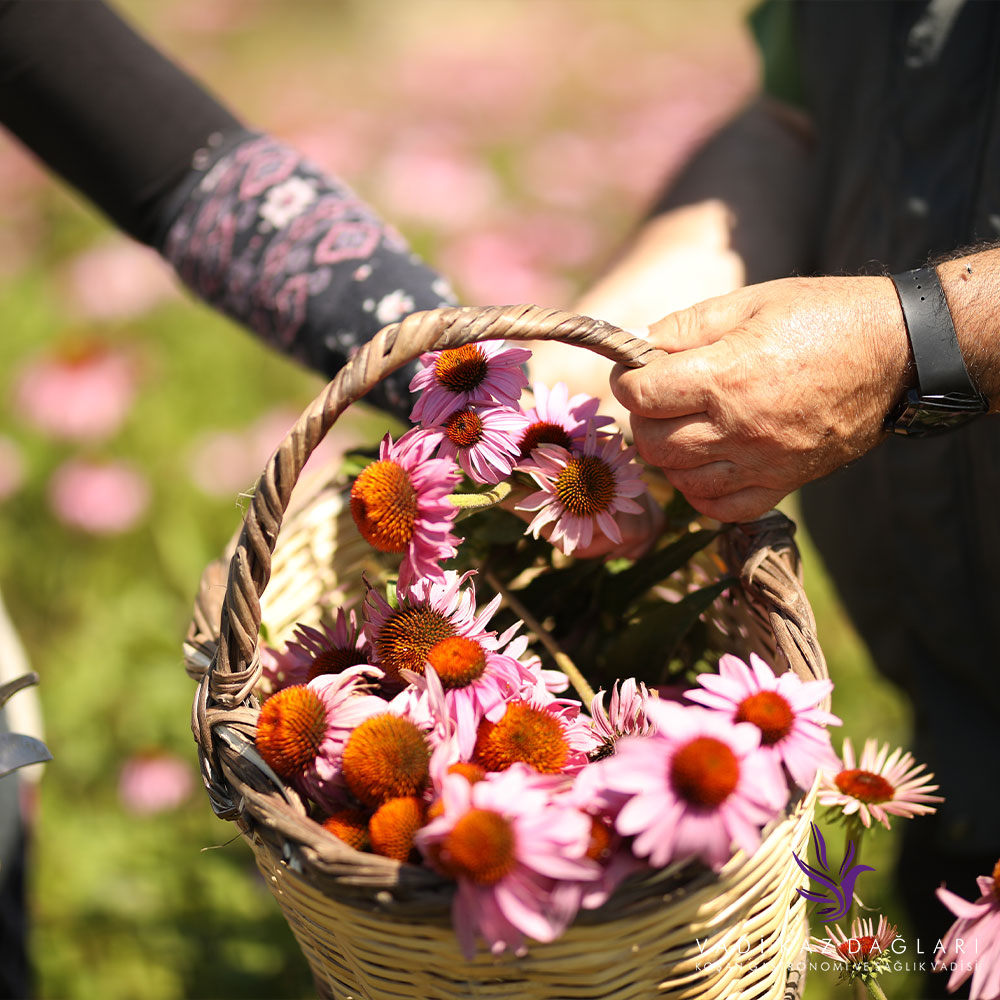
People have been using plants to treat diseases for centuries. Today, what is referred to as phytotherapy is actually treatment with plants. In 1500 BC, the Ebers Medical Papyrus documents the use of plants in medicine. Later, medicinal plants were grown in monasteries and used for therapeutic purposes. Plants have been used for centuries for therapeutic purposes. For example, there is evidence that extracts from the gingko biloba tree, considered to be the oldest surviving tree, can improve short-term memory in elderly patients.
What is Phytotherapy?
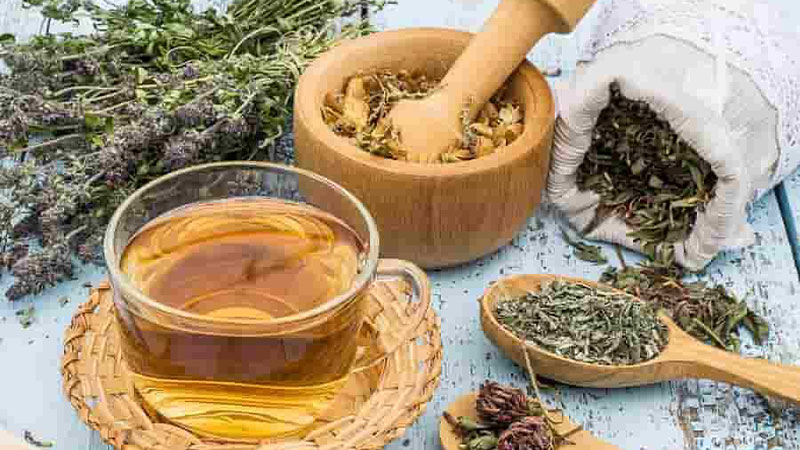
The term ‘phytotherapy’ originated from the Greek words ‘phytos’ meaning ‘plant’ and ‘therapeia’ meaning ‘treatment’. Phytotherapy involves using plants in various pharmaceutical forms, such as teas, syrups, or tablets, to protect and treat health conditions. Phytotherapy is not an alternative treatment. It is a complementary medicine practice that aims to protect and treat health. Phytotherapy is a rational and evidence-based treatment method. In phytotherapy, it is well established which active substance or group of substances is responsible for the biological effects.